
OopBuy Spreadsheet: From Discovery to a Responsible Shortlist
An OopBuy spreadsheet helps you discover products; the next step is to decide which entries deserve a place on your own shortlist. Start with the question you need answered, then use the corresponding guide below.
Start with a category and a useful question
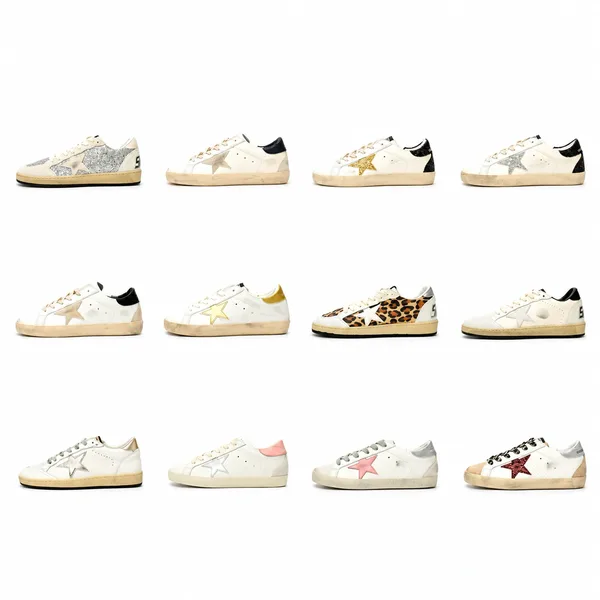
For footwear, use the OopBuy shoes guide to separate the selected pair, fit question and later packaging choice.
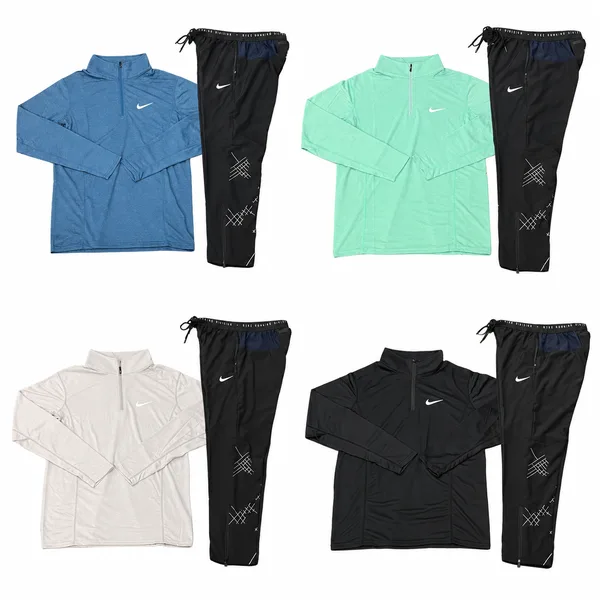
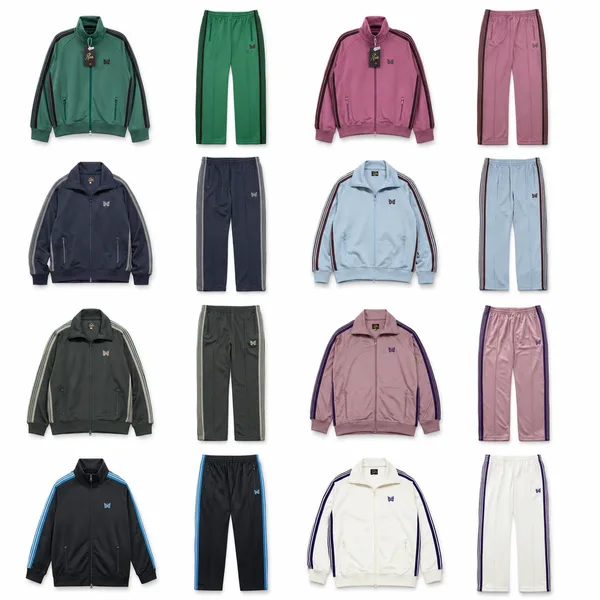
For garments, the OopBuy clothing guide connects category selection with layering, measurements and the contents of the option you choose.
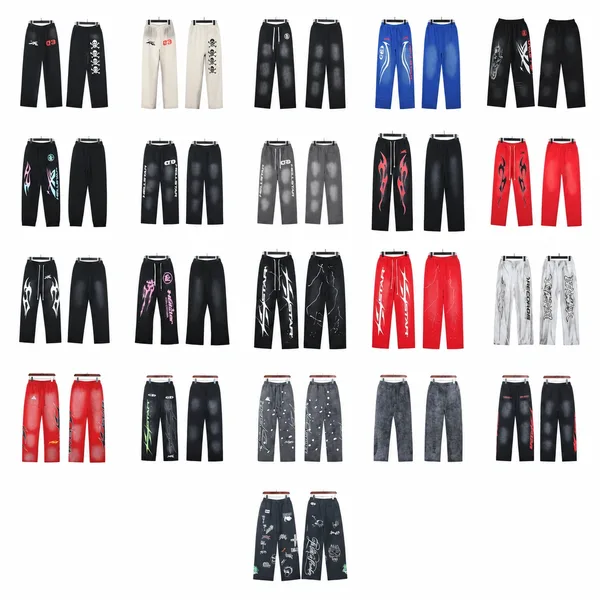
Use the women's clothing selection guide to start with a wardrobe need, compare tops and trousers separately, and avoid assuming that a mixed collection has a consistent women's size system.
browse the product catalog if that is what you need. The category opens a collection, not a selected size or a completed order. On an individual item, check the option labels and the information relevant to your purchase before saving it.
Keep the question concrete. If fit matters, look for a measurement you can compare consistently. If you are choosing between a single piece and a set, establish what the selected option contains. If the destination no longer matches your saved description, resolve that difference before comparing the amount.
Continue in your language
The Swedish collection connects shoe selection with packing questions. Its shipping example and received-item photo discussion describe separate records, not one verified order.
The Austria collection separates the shoe choice from the box decision. Continue to Austria shipping or the QC viewing guide for those later questions.
The Slovak collection connects product selection with a Slovakia shipping example and QC photo guide. A received-item photograph from another country is kept separate from the Slovak transport comparison.
Read OopBuy recenze — česky for Czech-language guidance on using reviews to answer a specific purchase question.
For Spanish-language privacy and account checks, read ¿OopBuy es confiable? — español.
Continue in español or čeština for localized selection guides and reviews.
Keep the shortlist connected to your next decision
Start with one item and record its complete address, distinguishing details, colour or size, amount scope and check date. Keep category, QC and parcel observations separate. If the destination changes, mark it for review rather than silently swapping in a similar result.
Do not treat an attractive photograph as an answer to every later question. Product choice, visible inspection and parcel planning involve different information. Keep a detail only when you understand which item and stage it describes.
Continue with the buying guide, QC photos, warehouse and shipping pages when your shortlist is ready. The German collection also connects these stages in German.
Try one shopping task from beginning to end
Choose a real need, such as a plain T-shirt in a fit you already like. Search or browse the collection until you have a candidate, then try to answer your purchase questions without guessing. Can you identify the product, find its option labels and understand the measurements? Can you return to the same entry later?
You are testing the usefulness of the collection for that task, not the quality of every product it contains. If you inspect only T-shirts, do not conclude that its shoe or electronics recommendations are equally useful.
If you need a separate place to browse, browse the product catalog. Compare the actual item details you select there; a category page is not itself a product recommendation.
Test how the collection handles an awkward case
An easy row tells you less than one that needs clarification. Consider these hypothetical situations:
- A row calls an item a two-piece set, but the destination offers pieces separately. You need to establish what the selected option includes before comparing the amount.
- Two rows use different photographs but lead to the same listing. They may be useful styling views, but they are not necessarily two independent product choices.
- A row includes a shipping amount without a country or parcel description. Keep it out of your own budget calculation until its scope is clear.
- A measurement is shown without units. Do not convert it or compare it with your clothing until the unit is established.
A useful collection makes these differences easier to identify. A colourful layout does not resolve them. The shipping calculator guide covers the parcel inputs that a product row alone cannot supply.
Compare candidates for the same job
If you need a layer under a jacket, compare the attributes that affect that use. A different print does not resolve a missing length or width. Use the size guide to identify the useful measurement, then ask whether each candidate supplies it.
The best-spreadsheet guide helps you compare collections through the same selection task. You do not have to keep every promising find: removing an unsuitable candidate can make the shortlist more useful than adding another similar image.
A collection becomes difficult to trust when one row mixes a listing picture with a warehouse observation or a previous buyer's comment. Keep those evidence types separate. If two entries look alike, reopen the destination and compare the actual option before carrying over a measurement or price.
When a destination changes, keep the original observation and record the new one through OopBuy spreadsheet links. The spreadsheet guide then follows one selected item through account action, QC and parcel planning without merging stages.
Keep product cost, seller delivery and parcel shipping separate when comparing your shortlist. View this white graphic T-shirt as a clothing candidate and check its options before choosing. Its product page does not establish an OopBuy order or inspection outcome.